
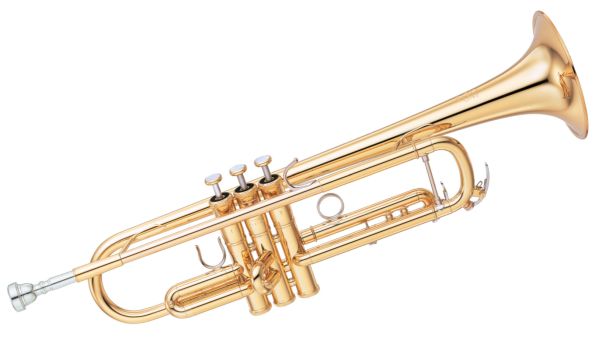
 “For the Lord himself shall descend from heaven with a shout, with the voice of the archangel, and with the trump of God: and the dead in Christ shall rise first: Then we which are alive and remain shall be caught up together with them in the clouds, to meet the Lord in the air: and so shall we ever be with the Lord. Wherefore comfort one another with these words,” 1 Thessalonians 4:16-18.
The first epistle of Paul to the church of the Thessalonians is one full of references to the return of Christ to this earth.
Each chapter ends with a reference to that wonderful event.
“And to wait for his Son from heaven, whom he raised from the dead, even Jesus, which delivered us from the wrath to come,” 1:10.
“For what is our hope, or joy, or crown of rejoicing? Are not even ye in the presence of our Lord Jesus Christ at his coming?” 2:19.
“To the end he may stablish your hearts unblameable in holiness before God, even our Father, at the coming of our Lord Jesus Christ with all his saints,” 3:13.
Then we have the verses at the end of chapter 4 which we will consider.
“And the very God of peace sanctify you wholly; and I pray God your whole spirit and soul and body be preserved blameless unto the coming of our Lord Jesus Christ,” 5:23.
Such constant referring to the Saviour’s return suggests:
1. Paul’s great interest in this wonderful subject. We owe much of our knowledge of the end times and the second advent of Christ to the writings of Paul. Peter acknowledged this. He refers to the return of Christ and events at the end of this age and goes on to say: “Even as our beloved brother Paul also according to the wisdom given unto him hath written unto you; as also in all his epistles, speaking in them of these things; in which are some things hard to be understood, which they that are unlearned and unstable wrest, as they do also the other scriptures, unto their own destruction,” 2 Peter 3:15-16.
2. Paul’s desire to acquaint the saints of God with details of the return of Christ. His frequent references to this blessed event in this letter surely shows that he was most anxious to impart knowledge of the subject. Indeed, Paul’s desire is but a reflection of God’s desire to have His people instructed in events surrounding the glorious return of Christ. The Saviour’s willingness to fully respond to the disciples’ questions: “Tell us, when shall these things be? and what shall be the sign of thy coming, and of the end of the world?” Matthew 24:3, likewise demonstrates this truth. Chapters 24 and 25 of Matthew contain the fullest of details regarding that longed for return of the Saviour.
3. I believe that Paul’s fulsome instruction in this epistle indicates not only the need for such instruction but also the readiness of the Thessalonians to receive instruction! “But of the times and the seasons, brethren, ye have no need that I write unto you. For yourselves know perfectly that the day of the Lord so cometh as a thief in the night. For when they shall say, Peace and safety; then sudden destruction cometh upon them, as travail upon a woman with child; and they shall not escape. . . . Let no man deceive you by any means: for that day shall not come, except there come a falling away first, and that man of sin be revealed, the son of perdition; Who opposeth and exalteth himself above all that is called God, or that is worshipped; so that he as God sitteth in the temple of God, shewing himself that he is God. Remember ye not, that, when I was yet with you, I told you these things? . . . And then shall that Wicked be revealed, whom the Lord shall consume with the spirit of his mouth, and shall destroy with the brightness of his coming: Even him, whose coming is after the working of Satan with all power and signs and lying wonders,” 1 Thessalonians 5:1-3 and 2 Thessalonians 2:3-5, 8-9. (more…)
 A letter I submitted to the ‘Belfast Newsletter’ on Friday 26th May
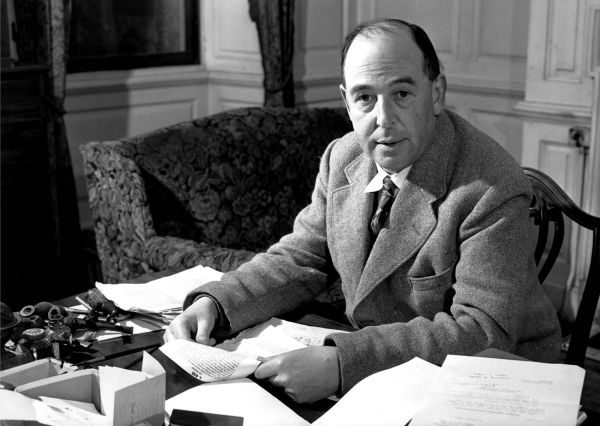 Clive Staples Lewis (1898-1963) was born in Belfast, Northern Ireland. He is extremely popular with many evangelicals today and considered as a foremost Christian thinker and philosopher. Though Lewis died in 1963, sales of his books have risen to two million a year.