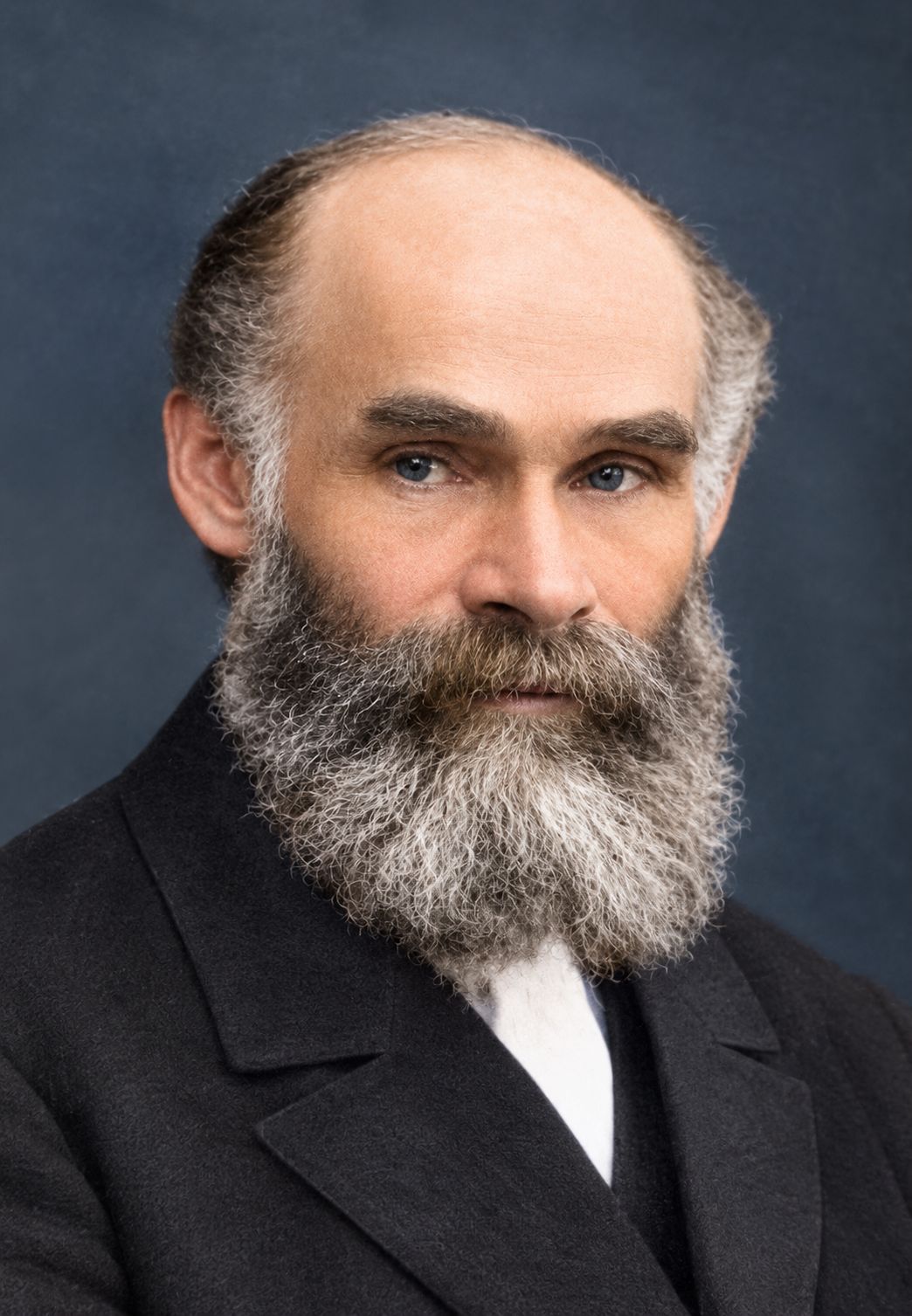
Some photographs from that time of contending for the Gospel

The protest took place at the installation of Richard Hanson as Bishop of Clogher, on March 17th, 1970.
The protest brought about the ejecting of us from of a local Orange Hall, Andrews Wood hall, where I was conducting a Gospel mission. The mission continued however, and by the end of April a Free Presbyterian hall had been erected and some months later that year, Clogher valley Free Presbyterian Church was constituted in the hall.
Despite the efforts of local ecumenists and their roping in of some Tyrone County Council officials to aid them, their demand that the hall be taken down and removed, failed.
It can be seen that a hall had been erected and was in use for regular services by June. Many years ago, the hall was replaced by a beautiful permanent building.

The Gospel outreach in the Spring of 1970 in Clogher Valley was the first of a number of missions undertaken by Lisbellaw Free Presbyterian Church that resulted in a permanent Gospel witness in the area.

AN ANSWER TO FOUR LECTURES DELIVERED IN ENNISKILLEN CATHEDRAL BY THE BISHOP OF CLOGHER RICHARD HANSON
by
REV. IVAN FOSTER
Minister of Lisbellaw Free Presbyterian Church
Published as a booklet in 1970
The rage of the Bishop against the rock of Holy Scripture
Chapter VI
An Answer to the Bishop’s slander of the Reformation
It is on the subject of the Reformation that the Bishop once more gives us a display of his Jesuitry and cunning. We quote from his second lecture: “Now I want to look briefly at a period of change in Christianity which will probably be better known to the audience: the Reformation of the 16th century. We usually think of this as the period above all others of change in the Church and in Christianity”. We shall return for a moment to the Bishop’s discussion of the various changes, but firstly let us settle one question. Did Christianity and the Church change at the Reformation? Do not drink the Bishop’s proffered cup, for the keen eye will detect the taint of poison. The Reformation was a “time of change”, but the changes did not take place in the Church or in Christianity. By the “Church” I mean the unchanging and unchangeable religion of the Word of God.
The Bishop’s inventions
As we rake through the rubble of the Bishop’s collapsed intellectualism we constantly come across this one persistent falsehood. Varied may be its disguises, but its nature never changes. Dr. Hanson labours assiduously throughout these lectures to make “CHANGES” acceptable to his audience, and his readers. To do this he invents periods of change in the Church. The date and background for his “changes” are not chosen at random, but carefully. He first of all suggested that the 2nd century was a time of change, and so of course it was, but the changes were political and philosophical, not doctrinal. Empires may fall, philosophical theories perish, but the religion of God’s Word is unaffected in its intrinsic nature. Jesus said “Heaven and earth will pass away, but my word shall never pass away”.
Now again Dr. Hanson seeks to introduce another of these periods of change. Again he has carefully chosen his time and background. No one will deny that the 16th century saw many changes. BUT WE CONTEST HIS STATEMENT THAT THE CHANGES TOOK PLACE IN THE CHURCH AND IN CHRISTIANITY. The changes were men and women leaving the CHURCH OF ROME in their tens of thousands, and by the work of the Holy Spirit made members of the CHURCH OF GOD – “The church of the first-born, which are written in heaven” (Heb. 12:23). It was not changes in Christianity that took place, but men changing their God, changing from the God of popish Rome to the LIVING GOD OF THE BIBLE. There was no more a change in Christianity during the Reformation than there was when Paul preached in Thessalonica and “many turned to God from idols to serve the living and true God; and to wait for His Son from heaven, whom He raised from the dead, even Jesus, which delivered us from the wrath to come” (1 Thess, 1 : 9-10). The Reformation saw a MULTIPLICATION OF BELIEVERS, but NOT an ALTERATION OF BELIEF. With this fundamental fact in mind we shall examine the rest of the Bishop’s statement.
One of the results of the Reformation, he tells us, was that “it left a Church divided into fragments, some of them sharply opposed to the others”. Here the Romanist comes to the fore of Dr. Hanson’s character. “It left a Church divided”. This was the chant of super-ecumenist Pope John, which has been taken up by the like-minded deceivers. We need to remember that it was the false and idolatrous Church of Rome that was shattered. Dr. Hanson is insinuating that Martin Luther committed the sin of schism, i.e., withdrawing from God’s people. Martin Luther did not sin. He obeyed a Divine principle and SEPARATED FROM DARKNESS. The harm done by Martin Luther’s action can be likened unto the disturbance in the tomb of Lazarus when he rose from the dead, or to the bursting open of the graves by the dead raised at the time of Christ’s crucifixion. (more…)

This is one of today’s headlines in the Belfast Telegraph.