“And thou, son of man, be not afraid of them, neither be afraid of their words, though briers and thorns be with thee, and thou dost dwell among scorpions: be not afraid of their words, nor be dismayed at their looks, though they be a rebellious house.
And thou shalt speak my words unto them, whether they will hear, or whether they will forbear: for they are most rebellious. But thou, son of man, hear what I say unto thee; Be not thou rebellious like that rebellious house: open thy mouth, and eat that I give thee.
And when I looked, behold, an hand was sent unto me; and, lo, a roll of a book was therein; And he spread it before me; and it was written within and without: and there was written therein lamentations, and mourning, and woe,” Ezekiel 2:6-10.
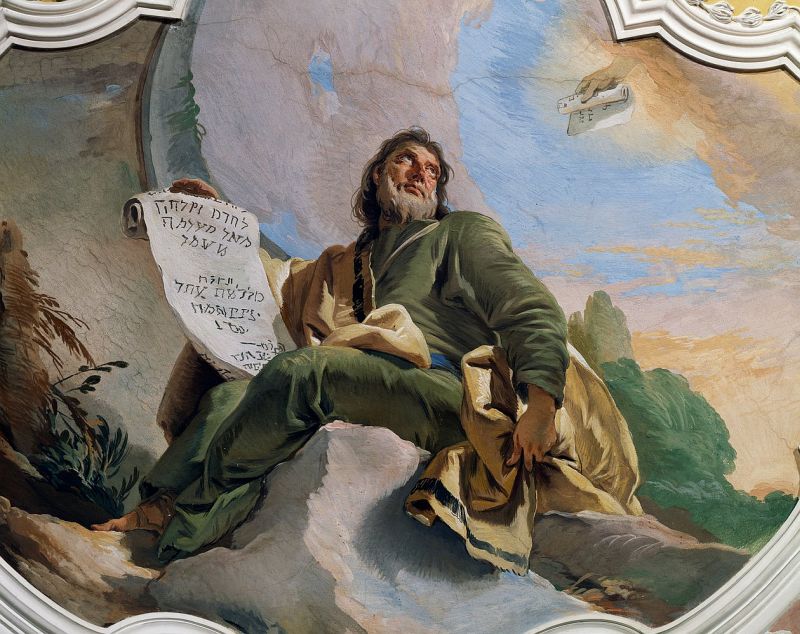
On the morning of 30th August, I read the second chapter of Ezekiel and I also read from 1 Corinthians, chapter 4, as part of my daily Bible reading.
“Let a man so account of us, as of the ministers of Christ, and stewards of the mysteries of God. Moreover it is required in stewards, that a man be found faithful. But with me it is a very small thing that I should be judged of you, or of man’s judgment: yea, I judge not mine own self. For I know nothing by myself; yet am I not hereby justified: but he that judgeth me is the Lord. Therefore judge nothing before the time, until the Lord come, who both will bring to light the hidden things of darkness, and will make manifest the counsels of the hearts: and then shall every man have praise of God,” verses 1-5.
Some 650 years separate the writing of these two portions of Holy Scripture but it is immediately seen that the prophet and the apostle were called upon to serve the Lord amidst opposition to their witness by a rebellious people and they were judged to be anything but what they truly were, the servants of God seeking to deliver God’s message to those whose hearts were set on defiance of God.
Both Ezekiel and Paul were sadly deemed to be purveyors of anything other than God’s Word by many believers!
Ezekiel
Ezekiel was required to minister to a rebellious people professing to be the ‘people of God’, but who acted toward the servant of God as enemies.
“And thou, son of man, be not afraid of them, neither be afraid of their words, though briers and thorns be with thee, and thou dost dwell among scorpions: be not afraid of their words, nor be dismayed at their looks, though they be a rebellious house,” Ezekiel 2:6.
Paul
Paul was esteemed by the world and sadly, by many amongst the professing people of God, as a deceiver, as he states in verse 13 “Being defamed, we intreat: we are made as the filth of the world, and are the offscouring of all things unto this day.”
So it has ever been. Was not the Lord Jesus perceived to be a ‘liar’, devil-possessed’ and a ‘deceiver’? (John 8:55, 10:20, Matthew 27:63).
As it was with the Saviour, so it will be with those who seek to serve Him in this world.
“The disciple is not above his master, nor the servant above his lord. It is enough for the disciple that he be as his master, and the servant as his lord. If they have called the master of the house Beelzebub, how much more shall they call them of his household?” Matthew 10:24-25.
Message
The word that Ezekiel was required to deliver was a word to “captives”! (more…)